
Most Augustans use Wrightsboro Road to go to the mall or Walmart, or maybe downtown to the hospital or west to Grovetown. Commuters typically take Wrightsboro Road in tiny pieces, little segments, without knowing the former history of the main thoroughfare. The 35-mile road was created in 1769 to connect travelers from Augusta to the then-flourishing Quaker town of Wrightsboro.
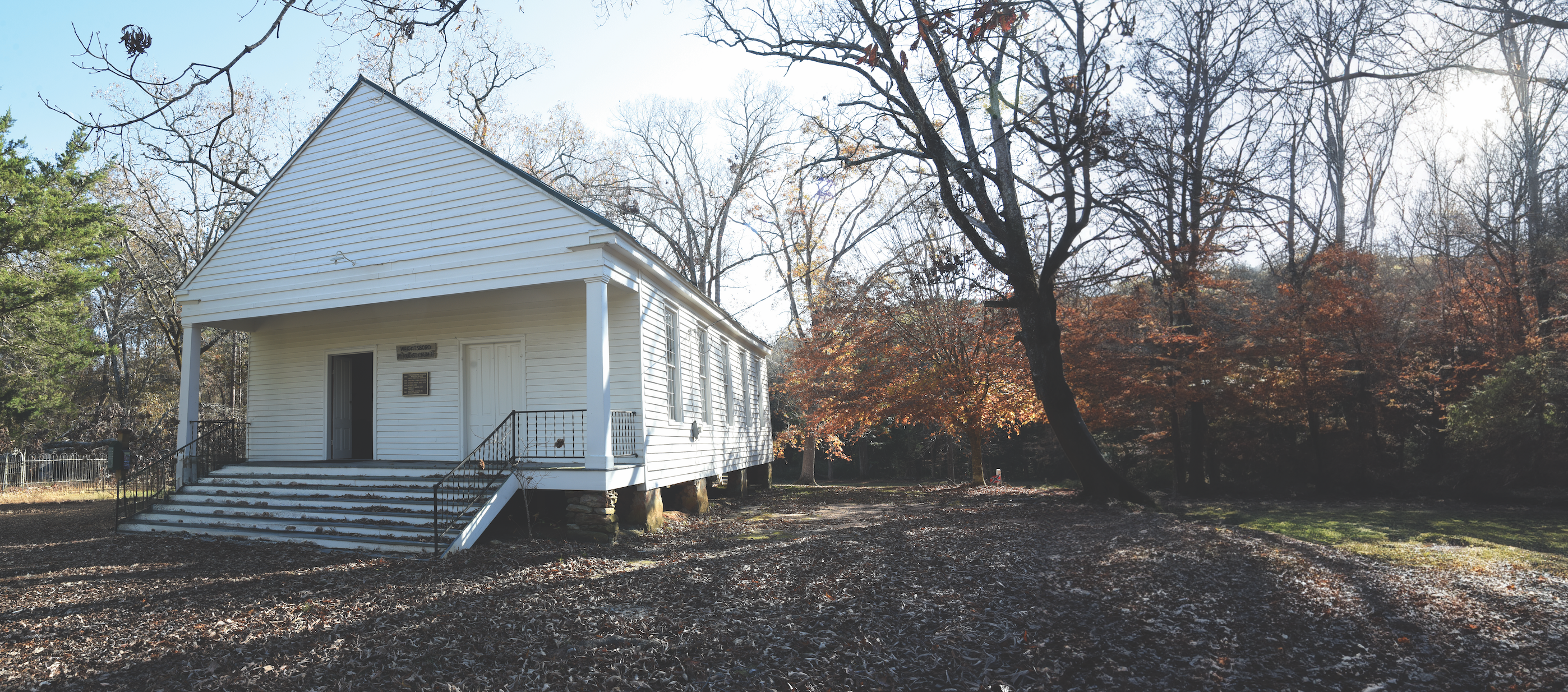
Today, the same drive transports you to a country lane a million miles from nowhere with a bend where a church and graveyard sleep under big old hardwoods. There is an abandoned general store closeby, an old farmhouse a log cabin, and everywhere . . . you sense the quiet.
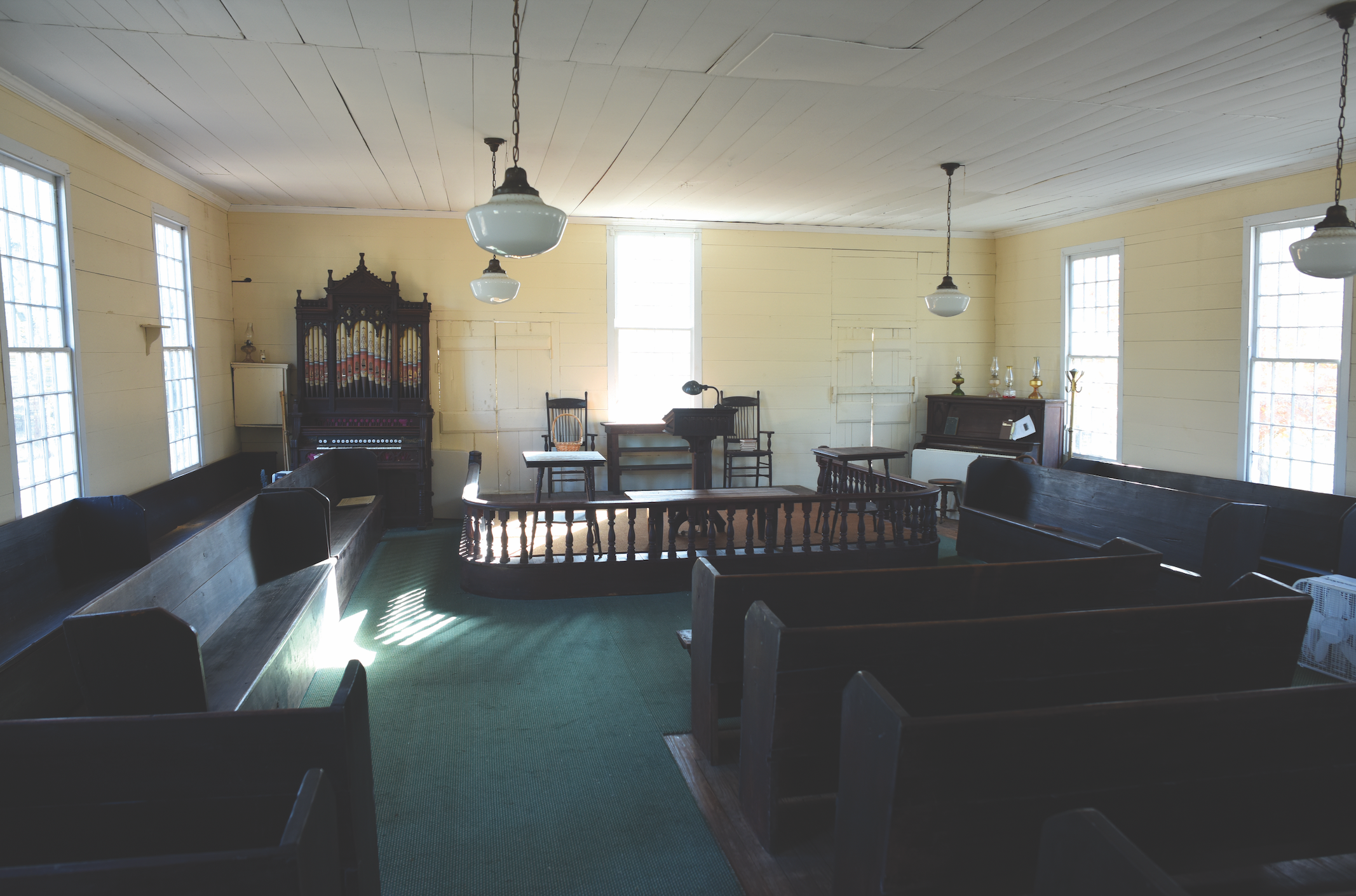
Religious Roots
Once a thriving small town with gristmills, general stores, blacksmith shops, a stagecoach inn, a weekly newspaper and academies for boys and girls, not much today remains of Wrightsboro. The village peaked in the 1830s with a population near 2,000. The coming of the railroad in 1835 changed all that — bypassing Wrightsboro for Thomson about six miles away.
Little by little, the town’s commerce and people followed the migration. While a remnant remained, the last store closed in the 1930s, and the Methodists stopped having services at the meeting house in 1963.
Today, the village population has shrunk to about seven families. But those seven love it that way.
“We are living in a remnant, a lovely rural remnant of what was once a thriving community,” says John McBrayer-Howe, who lives in a house his family has occupied for four generations.
John’s neighbor Epp Wilson agrees. “We’ve been here all our lives and are lucky to still be here and to have permission to enjoy this beautiful place. This is God’s country to us.”
It seemed like God’s country, too, to Wilson’s great, great, great, great granddaddy, Joseph Maddock, a Quaker living in North Carolina.
In 1768, Maddock led 40 families in a caravan of ox carts and horses and livestock 300 miles from Hillsboro, N.C., to a tract on the Georgia frontier that they called Wrightsborough in honor of Sir James Wright, Georgia’s royal governor.
Wright allotted plots of land to families: heads of household 200 acres, wives 100, children 50 each. Within a few years, many non-Quaker families also settled in the area.
For the full article, pick up a copy of our February/March 2025 issue on stands.